Not All Who Wander Are Lost: A Design for Modern Explorers
There’s a particular feeling that comes with setting out on an unknown path. It’s a mix of curiosity, a touch of uncertainty, and a quiet confidence in your own direction. That sentiment is perfectly captured in the phrase “Not All Who Wander Are Lost,” and it’s the core of a design that resonates with so many of us. It’s more than just words; it’s a statement of identity for the free-spirited, the adventurer, and the creative soul. This design isn’t about a specific destination, but about embracing the journey itself, making it a powerful visual tool for brands and creators who want to connect with that ethos.
A Visual Language for the Free-Spirited
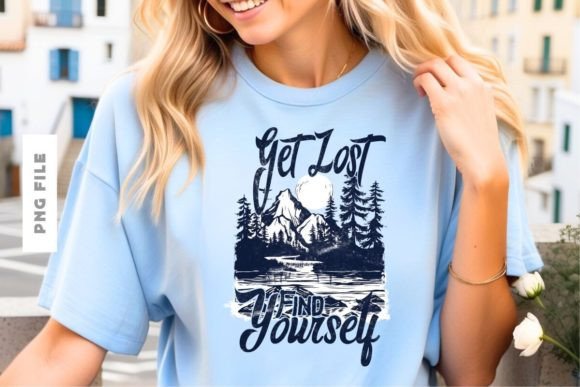
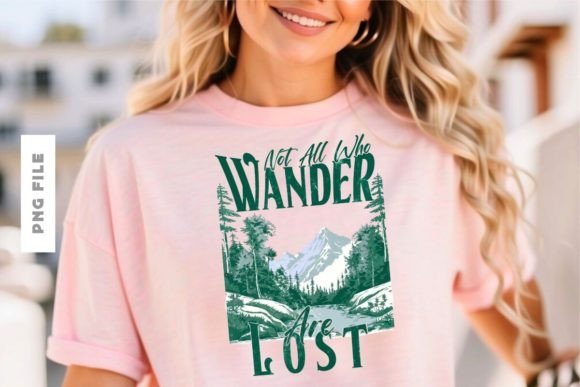
At its heart, the appeal of this particular design lies in its typography and composition. It often features a blend of strong, clean letterforms with more organic, flowing elements. Imagine a sturdy sans-serif font anchoring the word “Lost,” providing a sense of stability and clarity, while the phrase “Not All Who Wander Are” is rendered in a complementary script or handwritten style. This contrast creates immediate visual interest and communicates the message’s duality: the groundedness of purpose within the act of wandering. The design might incorporate subtle flourishes—a meandering line, a mountain silhouette, or a compass needle—that enhance the theme without overwhelming the text. This thoughtful balance ensures it remains highly legible, whether it’s scaled down for a social media icon or blown up for a poster. The overall effect is one of curated authenticity, avoiding cliché to feel both timeless and contemporary.
For a creator, this translates directly into versatility. The design works beautifully on a variety of backgrounds. Printed in white or black, it stands out with crisp clarity on a heather grey t-shirt. In a rich, earthy tone like forest green or burnt orange, it feels integrated and natural on a canvas tote bag. Its strength is in its adaptability, allowing it to become a seamless part of a product’s aesthetic rather than feeling like a sticker slapped on top. This makes it an invaluable asset for anyone building a cohesive visual world, from a small clothing brand to a lifestyle blogger curating their feed.
From Screen to Stitch: Practical Applications
Let’s talk about how this design moves from a digital file to a tangible product. Because it’s provided as a high-resolution PNG and PDF file at 300 DPI, it’s ready for immediate use in both digital and physical production. The transparent background of the PNG file is crucial for layering the design onto photos, mockups, or colored merchandise without any awkward white boxes. The PDF format ensures vector-like scalability for large-format printing, maintaining every sharp edge and smooth curve on a huge wall poster or a detailed mug wrap.
This is where the real-world utility shines for different users:
- For the Print-on-Demand Entrepreneur: This is a plug-and-play solution. You can upload the files directly to your production partner’s platform and apply the design to a product catalog—hoodies, mugs, phone cases, and more—within minutes. The unlimited print license means your growth isn’t tied to per-unit fees, a critical factor for scaling a business.
- For the Etsy Shop Owner or Crafter: Whether you’re using a sublimation printer, a screen printing setup, or a Cricut for vinyl decals, the files are formatted to work. You can confidently sell finished goods, knowing the design is optimized for clean, professional results on your chosen medium.
- For the Content Creator or Marketing Team: Use the design as a central brand motif. It can become a watermark for your photography, a graphic element in your Instagram stories, the header for your newsletter, or the cover image for a podcast about travel and creativity. It reinforces your brand’s narrative consistently across all touchpoints.
The key is its suitability for a wide array of merchandise. It’s not just a “t-shirt design”; it’s a brand asset. The same graphic that looks fantastic on a relaxed-fit tee can be adapted for a sleek poster in a frame, a pattern for a notebook cover, or a bold statement on a ceramic mug. This multi-use potential offers incredible value, allowing you to build a cohesive product line around a single, powerful idea.
Building a Brand with Authentic Imagery
In a crowded marketplace, authenticity is your currency. Consumers are drawn to brands that feel genuine, that tell a story they can see themselves in. The “Not All Who Wander Are Lost” design is a shortcut to that connection. It immediately signals a set of values—adventure, independence, mindfulness, and a non-linear approach to life. For a clothing brand, it can be the cornerstone of a collection aimed at hikers, digital nomads, artists, or anyone who defines success on their own terms.
Think about your brand’s visual consistency. By using this design as a recurring element, you create a recognizable symbol. Your audience starts to associate that specific typographic style and imagery with your quality and your message. It’s a tool for building brand recognition that goes beyond a simple logo. It’s a piece of your brand’s story that customers can wear, use, and display, effectively turning them into advocates for your brand’s philosophy.
When selecting a design like this, consider its personality. Does the weight of the font match your brand’s tone? Is the script element too formal or too casual? The beauty of this particular design is its balanced personality—it’s assertive without being aggressive, thoughtful without being passive. It’s a design that invites conversation and projects quiet confidence, which is a powerful brand attribute.
Final Thoughts on Bringing It to Life
Ultimately, the power of a design like this lies in what you do with it. It’s a starting point, a piece of high-quality clay waiting for your unique spin. The commercial license removes barriers, empowering you to experiment freely. Apply it to a vintage-wash tee for a soft, nostalgic feel. Print it in metallic ink on a black hoodie for a premium, standout piece. Use it as the centerpiece of a motivational poster for a home office. The possibilities are only limited by your imagination.
So, as you integrate this design into your projects, remember the core message it carries. It’s a celebration of the path less traveled, a nod to the explorers and the dreamers. By using it thoughtfully and consistently, you’re not just decorating a product; you’re inviting your audience to join a journey. And that’s a compelling reason for anyone to stop, look, and connect with what you’ve created.