The Peace Starts with Empathy Design: A Guide to Wearable Art
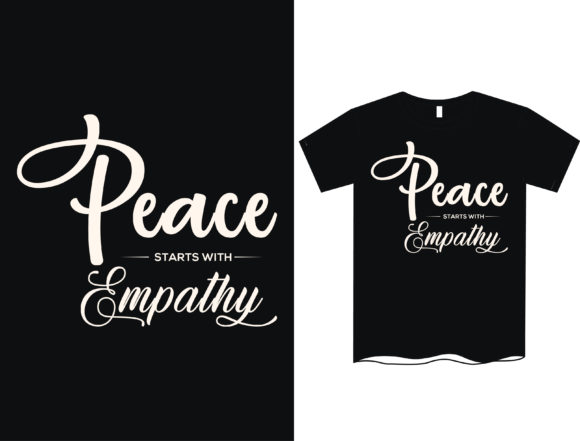
In a world that often feels divided, a simple message worn on a t-shirt can become a quiet but powerful act of connection. The "Peace Starts with Empathy" design isn't just another graphic; it's a wearable philosophy. For designers, entrepreneurs, and creators, this asset represents more than ink on fabric—it's a tool for storytelling, community building, and brand expression. It captures a modern sentiment in a visually compelling way, making it a versatile asset for anyone looking to communicate a message of understanding and compassion through their projects.
Understanding the Design's Visual Language
At its core, the "Peace Starts with Empathy" design is a masterclass in balanced typography and symbolic imagery. The composition likely pairs a clean, impactful typeface with subtle illustrative elements—perhaps a gentle hand, an abstract heart, or interlocking circles—that visually reinforce the concept of connection. The strength of this design lies in its clarity and emotional resonance. It doesn't shout; it speaks directly to the viewer's experience. The layout is intentional, ensuring the message is the hero. This makes it exceptionally effective for screen-printing and direct-to-garment (DTG) printing, where crisp lines and scalable vector formats are non-negotiable for a professional finish.
From File to Fabric: The Technical Foundation
The true utility of a design asset is revealed in its technical preparation. This package is built for real-world application. Delivered in a well-organized ZIP file containing AI, EPS, and high-resolution PNG files (4500×5400px at 300 dpi), it's designed for immediate use. The 100% vector format means you can scale it from a chest print to a full back graphic without a single pixel of quality loss. Every element is editable and color-changeable, allowing you to adapt the palette to match a specific brand identity or seasonal collection. This level of flexibility is what separates a good design from a great commercial asset. Remember to always check your software compatibility before purchasing, and extract the files using standard tools like WinZip or WinRAR.
Practical Applications Beyond the T-Shirt
While born for apparel, the "Peace Starts with Empathy" design's clean aesthetic and powerful message make it a chameleon across various creative projects. Its value extends far beyond merchandise.
For Brand Builders and Small Businesses: Use the core visual motif as a cornerstone of a brand identity centered on community, wellness, or social responsibility. It can inspire a logo variation, grace packaging for a mindful product line, or become the hero graphic for a website's "Our Mission" page. The design's inherent positivity can foster immediate audience engagement and brand recognition.
For Content Creators and Marketers: This asset is a social media powerhouse. Break it into components for Instagram Stories, create animated versions for Reels, or use it as a striking banner for a blog focused on personal growth or community building. Its message is inherently shareable, increasing the potential for organic reach. It also works beautifully on print materials like posters for community events, invitations for workshops, or as a compelling cover for a digital zine or lookbook.
For Designers and Crafters: Integrate the design into editorial layouts to add a humanistic touch, or use it as a starting point for client projects in the wellness or non-profit sectors. For hobbyists, it’s perfect for creating personalized gifts, tote bags, or wall art that carries a meaningful message.
Ensuring Visual Consistency and Professional Polish
A cohesive visual language is critical for any project aiming to make an impact. Using a well-crafted design like this one helps maintain consistency across multiple touchpoints. When the same core visual element appears on your product, your Instagram feed, and your website header, it builds a powerful, recognizable brand identity. The professional, high-quality file preparation ensures that whether the design is printed on a heavyweight cotton tee or viewed as a website graphic, it retains its integrity and sharpness. This attention to detail signals professionalism to your audience, subconsciously building trust and enhancing the perceived value of your offerings.
Matching Message to Medium: Practical Advice
Getting the most out of a design asset like this involves a few strategic considerations:
- Adapt the Color Palette: Don't just use the default colors. Experiment. Swap the palette to align with your brand's established colors, a holiday theme, or the mood of your collection. A calming blue and green scheme evokes tranquility, while a bold black and gold version feels more activist and urgent.
- Test Your Pairings: If you're incorporating the design into a larger layout, think about font pairing. Pair the design's typography with a complementary sans-serif for body text to ensure readability, or with a subtle script for a more personal touch. Always test pairings in context to see how they work together.
- Consider the Application: A design that works perfectly for a front-center t-shirt print might need to be simplified or reconfigured for a small social media icon or a complex packaging layout. Use the editable vector files to deconstruct and reassemble the elements as your project demands.
- Understand the Licensing: For commercial use—whether you're selling t-shirts, using it in client work, or featuring it in monetized content—always review the licensing terms included with the asset. This ensures you have the proper rights and protects your business.
The "Peace Starts with Empathy" design is more than a file; it's a starting point for connection. It provides the visual vocabulary to communicate a universal human need in a professional, adaptable, and emotionally intelligent way. By leveraging its strong foundation and applying it thoughtfully across your projects, you can create work that not only looks polished but also genuinely resonates with your audience, one meaningful design at a time.